Michael R Martin

Michael R Martin

5 Camping Foods That Leave the Worst Smells in Your RV

Foods that cause lingering RV odors

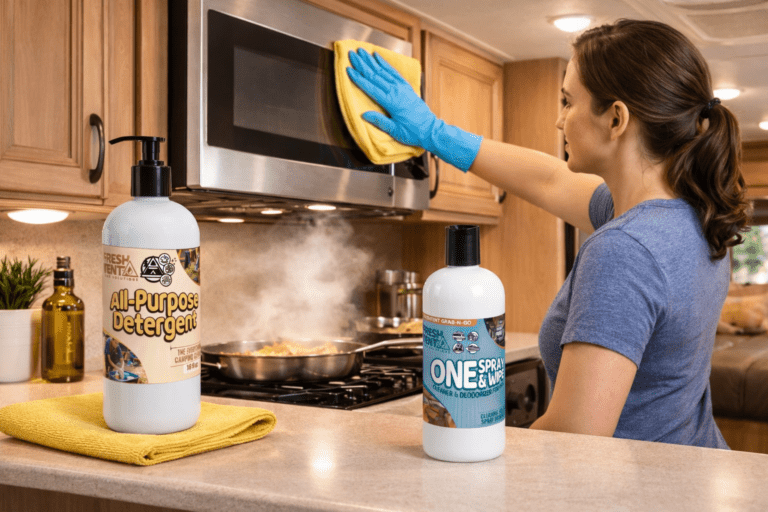
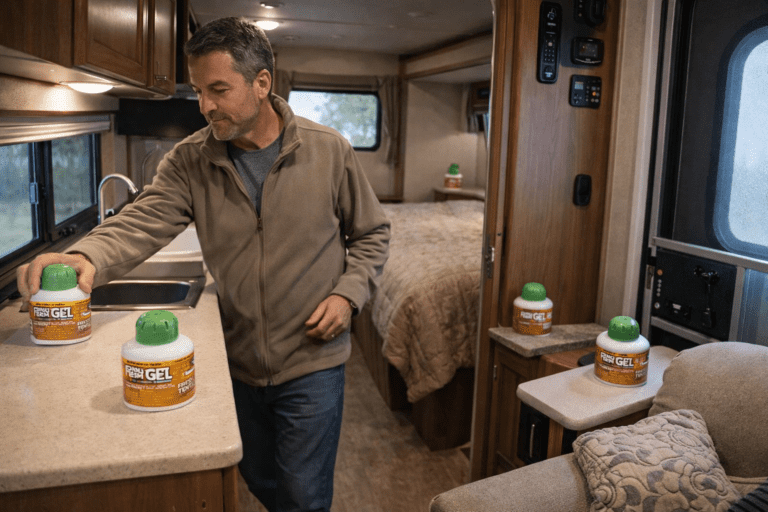
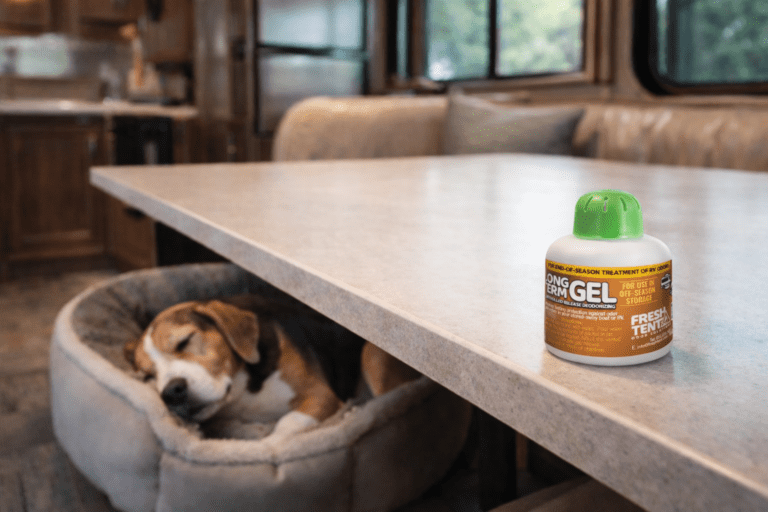
Some foods taste amazing around the campfire but can leave your RV or camper smelling terrible long after the trip ends. Cooking, storage, and food prep inside tight spaces trap odor molecules in fabrics, cabinets, and surfaces. In this guide, we’ll look at five common camping foods that cause the worst lingering odors in RVs and campers—and how to eliminate them effectively. From fried fish and bacon grease to garlic-heavy meals, certain foods release stubborn compounds that cling to surfaces and circulate through confined spaces. We’ll also explain how targeted odor-neutralizing solutions like One Spray, Pack-Away 30, Stow-Away 60, Long-Term Gel, Stow-Away 90, and FreshTent Deodorizing Kits can keep your camper smelling fresh all season long.
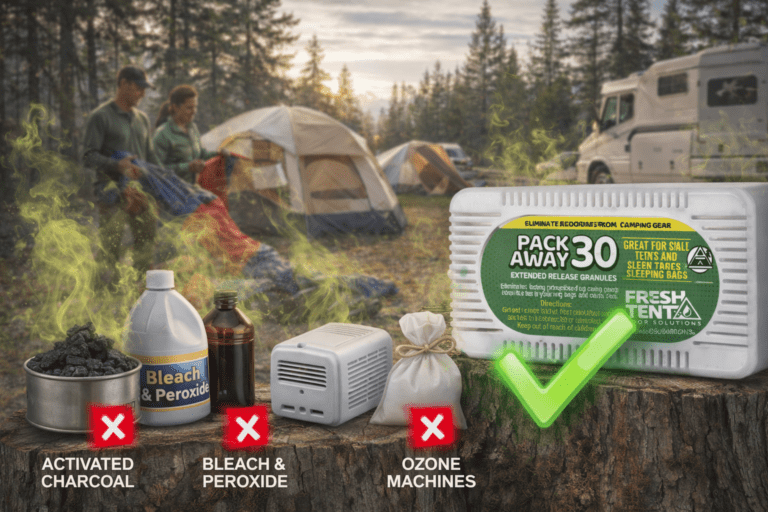
The Definitive Guide to Camping Gear Odor Solutions: What Works, What Doesn’t, and Why

Superior odor elimination for campers

Most odor-control methods for camping gear either absorb moisture, mask smell, or temporarily suppress microbes. Very few neutralize airborne odor molecules at the chemical level. Without treating the storage airspace, odor typically returns.

Humidity, Condensation & Microbial Odors in RVs: The Hidden Air Quality Problem

Header image

Even when mold isn’t visible, humidity allows microbial growth inside wall cavities, cushions, and storage areas. These microbes release odor-causing gases. Chlorine dioxide neutralizes these airborne compounds before they accumulate. Moisture inside campers fuels microbial odor production — even when you don’t see mold. Here’s how airborne chlorine dioxide interrupts the cycle.

Why Campers Develop That “Closed-Up” Smell — And Why Air Fresheners Don’t Fix It

When campers sit closed for days or weeks, humidity, microbial growth, and organic vapors accumulate in stagnant air. Sprays and fragrance products only mask odor. True removal requires oxidation of airborne odor molecules — which chlorine dioxide does effectively at low, controlled levels. That stale, musty odor inside a camper isn’t just trapped air — it’s active airborne contamination. Here’s what’s actually happening inside enclosed RVs and how chlorine dioxide neutralizes odor at the molecular level.

Why Do Tents Smell Musty Even When They’ve Never Been Used?

Why do tents smell musty

Because “new” does not mean “clean, dry, or odor-free.” Most musty tent odors are created before you ever unroll the tent—during manufacturing, shipping, storage, and packaging.

What smells like “mildew” is often a combination of trapped moisture, microbial byproducts, and volatile compounds released by modern tent materials when confined in airtight bags.

Let’s break it down.